
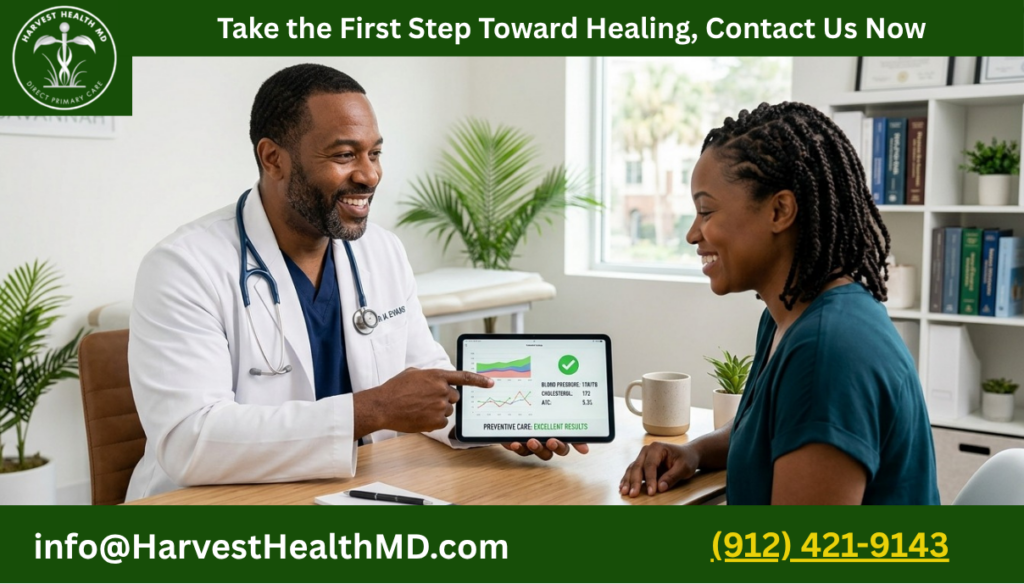
Many serious health conditions begin quietly. Long before symptoms appear, changes may already be happening inside the body. This is one reason healthcare professionals place so much value on preventive screenings. These routine evaluations help identify potential concerns early, often before they affect daily life.
A common misconception is that screenings are only necessary when someone feels unwell. In reality, many medical conditions develop gradually and may not produce noticeable symptoms during the early stages. Preventive screenings are designed to help bridge that gap.
Whether you are managing an existing condition, entering a new stage of life, or simply trying to stay proactive about your health, understanding when and why screenings matter can help you make better healthcare decisions.
What Are Preventive Screenings?
Preventive screenings are health screening tests used to identify potential health concerns before symptoms appear. They are part of a broader preventive care strategy that focuses on early detection and long-term wellness.
These screenings may evaluate:
- Blood pressure
- Cholesterol levels
- Blood sugar levels
- Cancer risk factors
- Bone health
- Heart health
- Vision and hearing
- Mental health concerns
Unlike diagnostic testing, which investigates existing symptoms, preventive screenings are performed even when a person feels healthy.
Many patients first learn about preventive care through daily healthcare guidance and later discover how routine screenings fit into a larger wellness strategy.
Why Preventive Screenings Matter?
One of the greatest advantages of preventive care is the ability to identify health concerns early.
Early disease screening may help detect conditions such as:
- High blood pressure
- Diabetes
- High cholesterol
- Certain cancers
- Osteoporosis
- Cardiovascular disease
When health concerns are detected early, patients often have more treatment and management options.
Many healthcare providers emphasize the value of long-term wellness planning because prevention often leads to better health outcomes than waiting for symptoms to appear.
Preventive screenings are not about finding problems. They are about gathering information that can help protect your future health.
When Should Adults Begin Preventive Screenings?
There is no single screening schedule that applies to everyone.
Factors that may influence screening recommendations include:
- Age
- Gender
- Family history
- Lifestyle habits
- Existing health conditions
- Personal risk factors
For example, a healthy adult in their twenties may require different screenings than someone in their fifties or sixties.
This is why healthcare providers often develop personalized recommendations based on individual needs.
Patients who follow a structured preventive care roadmap are often better prepared to understand which screenings may be appropriate for their situation.
Common Preventive Screenings Throughout Adulthood
Blood Pressure Screenings
High blood pressure is sometimes called a “silent condition” because symptoms may not be noticeable. Routine blood pressure checks during preventive care visits help identify elevated readings before complications develop.
Cholesterol Testing
Cholesterol screenings evaluate heart health risk factors and may help identify concerns that increase the likelihood of cardiovascular disease. Regular wellness visits often include cholesterol monitoring as part of a proactive healthcare plan.
Diabetes Screenings
Blood sugar testing may help identify prediabetes or diabetes before serious complications occur. Early detection allows patients and healthcare providers to discuss healthy lifestyle changes and treatment options.
Cancer Screenings
Depending on age, gender, and family history, healthcare providers may recommend screenings for various forms of cancer. These screenings play an important role in preventive healthcare and early intervention.
Bone Density Testing
As adults age, bone health becomes increasingly important. Bone density testing may help identify osteoporosis and fracture risks. Many patients choose Healthcare Membership Plans to support ongoing preventive care, routine screenings, and regular wellness monitoring throughout different stages of life.
How Preventive Checkups Support Better Healthcare?
Preventive screenings are often performed during routine wellness visits.
These appointments provide an opportunity to:
- Review health history
- Discuss concerns
- Evaluate lifestyle habits
- Monitor chronic conditions
- Update vaccinations
- Plan future healthcare needs
Many patients discover that preventive checkups offer more than testing. They provide an opportunity to develop a deeper understanding of personal health.
Patients interested in strengthening their healthcare habits often explore patient-focused primary care strategies to improve communication and long-term health planning.
The Role of Family History in Screening Decisions
Family medical history plays a significant role in preventive healthcare. Certain conditions may have hereditary risk factors, including:
- Heart disease
- Diabetes
- High blood pressure
- Certain cancers
- Osteoporosis
Knowing your family medical history can provide a clearer picture of potential risks and support better long-term health planning. At Harvest Health MD, we believe healthcare should focus not only on treating illness but also on helping patients stay healthy throughout every stage of life. By understanding family health history, individuals can make informed decisions and take steps to address potential concerns before they become more difficult to manage.
Sharing accurate family history information with your healthcare provider can help guide screening recommendations. This information allows providers to create more personalized healthcare plans and identify risks that may require earlier monitoring.
Preventive Screenings and Direct Primary Care

One of the benefits of modern healthcare models is the ability to focus more heavily on prevention.
Patients who receive personalized healthcare support often have more opportunities to discuss:
- Risk factors
- Lifestyle changes
- Recommended screenings
- Long-term health goals
This is one reason many people explore personalized healthcare guidance and patient-provider relationship benefits when evaluating their healthcare options.
Preventive screenings become more effective when they are part of an ongoing healthcare relationship rather than isolated appointments.
Common Mistakes People Make About Preventive Screenings
Many people understand that preventive screenings are part of good healthcare, but several common misconceptions still prevent them from scheduling routine evaluations. These misunderstandings can lead to delayed care and missed opportunities for early awareness. Preventive screenings are often included in Business Healthcare Solutions because early detection and routine health monitoring can support better long-term health outcomes.
“I Feel Fine, So I Don’t Need Screenings”
One of the most common beliefs is that screenings are only necessary when symptoms appear. In reality, many health conditions develop slowly and may not cause noticeable symptoms during the early stages. Preventive screenings help identify potential concerns before they begin affecting daily life.
“Screenings Are Only for Older Adults”
While certain screenings become more common as people age, preventive healthcare is valuable for adults of all ages. Younger adults may also benefit from routine health evaluations, blood pressure checks, cholesterol monitoring, and other screenings based on their personal health history and lifestyle.
“My Family Is Healthy”
A healthy family history can be helpful, but it does not eliminate all health risks. Environmental factors, lifestyle habits, nutrition, and other influences can still affect overall health. Regular screenings provide a more complete picture of an individual’s current health status.
“I’ll Schedule It Later”
Busy schedules often cause people to postpone preventive care. Unfortunately, delaying routine screenings may allow potential health concerns to go unnoticed for longer periods. Staying consistent with recommended screenings helps patients remain informed and proactive about their health.
Healthcare providers encourage patients to view preventive screenings as a routine part of long-term wellness. Taking action early can support better health awareness and help individuals make informed decisions about their future care.
Wellness Screening Services and Long-Term Health
Preventive healthcare works best when it becomes part of a long-term wellness routine rather than a one-time appointment. Health needs change over time, and regular wellness screenings help patients stay informed about those changes before they become larger concerns.
Routine wellness screening services provide valuable information that helps patients and healthcare providers better understand overall health patterns. By completing screenings on a regular basis, individuals can monitor important health indicators and identify trends that may otherwise go unnoticed.
Regular wellness screening services provide valuable information that helps patients and healthcare providers better understand overall health patterns. By completing screenings on a regular basis, individuals can monitor important health indicators and identify trends that may otherwise go unnoticed.
Regular screenings can help patients:
- Track health trends by comparing results over time.
- Monitor risk factors such as blood pressure, cholesterol levels, weight changes, and other health markers.
- Identify changes early, allowing for timely discussions with healthcare providers.
- Support healthy aging by staying aware of evolving health needs throughout different stages of life.
- Improve healthcare decision-making through accurate and up-to-date health information.
Many people also use personal health journals, mobile apps, or wellness tracking tools to keep records of appointments, screening results, exercise habits, and other health-related information. This can make it easier to spot patterns and discuss concerns during future healthcare visits.
These habits can be especially valuable when focusing on Health for LLC Owners, who often balance busy schedules and multiple business responsibilities while managing their personal well-being.
What People Usually Misunderstand About Screenings?
One of the biggest misunderstandings is that screenings are designed to diagnose illness.
In reality, screenings are primarily used to identify potential concerns that may require additional evaluation.
Another misconception is that screenings guarantee perfect health. While screenings provide valuable information, they work best when combined with:
- Healthy lifestyle choices
- Routine medical care
- Preventive healthcare planning
- Ongoing communication with healthcare providers
Many patients strengthen these habits through healthy lifestyle planning and family wellness strategies that support long-term health goals.
Expert Perspective: Prevention Works Best When It Is Consistent

Healthcare professionals often emphasize consistency rather than perfection.
A single screening appointment can provide useful information, but long-term preventive care produces the greatest benefits when patients remain engaged over time.
Preventive healthcare is most effective when it includes:
- Wellness visits
- Lifestyle improvements
- Ongoing monitoring
- Patient education
This combination helps create a more complete picture of overall health and supports informed decision-making throughout life. It can also contribute to Healthcare Cost Savings for Employers by encouraging early detection, reducing avoidable health issues, and supporting a healthier workforce.
Conclusion
Preventive screenings play an important role in modern healthcare. They help identify potential concerns early, support informed decision-making, and encourage long-term wellness.
Rather than waiting for symptoms to appear, preventive care allows patients to take a proactive approach to their health. By staying current with recommended screenings and maintaining regular communication with healthcare providers, individuals can better understand their health and make choices that support their future well-being.
If you would like to learn more about Preventive Screenings and personalized preventive healthcare options, explore our services for additional guidance.
Contact Us to schedule an appointment or discuss your healthcare needs.
FAQs
- What are preventive screenings?
Preventive screenings are medical tests used to identify potential health concerns before symptoms appear. They help support early detection, risk assessment, and long-term wellness by providing valuable information about a person’s overall health.
- How often should preventive screenings be performed?
The recommended schedule depends on factors such as age, family history, health status, lifestyle habits, and individual risk factors. A healthcare provider can recommend the most appropriate screening timeline based on your specific needs.
- Are preventive screenings only for older adults?
No. Many screenings begin in early adulthood and continue throughout life based on healthcare recommendations. Regular screenings can help people of all ages stay informed about their health and monitor potential risk factors.
- What happens during a preventive checkup?
A preventive visit may include a review of your medical history, physical evaluation, vital sign measurements, health screenings, lifestyle discussions, and recommendations for future care. Some visits may also include laboratory testing or wellness counseling.
- Why is early disease screening important?
Early detection often provides more treatment options and allows patients to address health concerns before complications develop. Identifying potential issues early may help improve long-term health outcomes and support more effective care planning.


