

Regular health checkups are essential for maintaining good health and catching potential problems early. Searching for a full-body checkup near me is often the first step in taking control of your well-being. Comprehensive checkups, including preventive tests, annual health checkups, and routine lab tests, help identify health risks before they become serious. Early attention through early diagnosis, test screening, and even workplace evaluations.
Why a Full Body Checkup is Important?
A full body checkup near me is more than just a set of tests. It’s a thorough assessment of your overall health, helping you understand your body and potential risks. The main benefits include:
- Early Diagnosis: Detect health conditions before they become serious, improving treatment outcomes.
- Preventive Care: Preventive tests help reduce the risk of chronic diseases like diabetes, heart disease, and cancer.
- Peace of Mind: Know your health status and avoid surprises.
- Lifestyle Insights: Doctors can guide you on diet, exercise, and habits for better long-term health.
When combined with regular annual health checkups, full body screenings provide a complete picture of your physical well-being.
Common Components of a Full Body Checkup
A typical full-body checkup includes a variety of assessments and routine lab tests designed to evaluate key body systems. Common components include:
- Blood Tests
- Complete blood count (CBC)
- Blood sugar and HbA1c for diabetes
- Lipid profile for heart health
- Urine Tests
- Detect kidney function issues
- Identify infections
- Liver and Kidney Function Tests
- Assess organ health and detect early abnormalities
- Heart Health Screening
- ECG or echocardiogram for heart function
- Blood pressure monitoring
- Cancer Screening Tests
- Mammogram, Pap smear, or PSA, depending on age and gender
- Colonoscopy for digestive health
- Vision and Hearing Tests
- Detect early vision or hearing loss
- Lifestyle and Nutrition Assessment
- Diet, physical activity, and habit review
Adding test screening for risk factors, based on your age, family history, or occupation, ensures a comprehensive check.
Preventive Tests: Your First Step Toward Health
Preventive tests are key to catching diseases early, often before symptoms appear. Examples include:
- Blood sugar and cholesterol tests
- Cancer markers (like CA-125 for ovarian cancer)
- Bone density scans for osteoporosis
- Vaccination and immunity checks
By regularly scheduling preventive tests, you reduce the risk of severe illnesses and improve your long-term quality of life. Doctors can also recommend personalized lifestyle changes based on your results.
Annual Health Checkup: Why It Matters?
An annual health checkup is an investment in your health. It helps you track changes in your body year over year and identify new risks early. Typical annual checkup benefits:
- Establish a health baseline for comparison over time
- Detect subtle changes in organ function or lab results
- Reduce hospitalizations by identifying issues early
- Provide guidance on diet, exercise, and preventive care
Many clinics and hospitals offer packages for full-body checkups near me, combining multiple tests into one visit to save time and provide a comprehensive report.
Early Diagnosis Saves Lives
One of the greatest advantages of a full body checkup is early diagnosis. Detecting health problems in the early stages allows for:
- Less invasive treatments
- Better recovery chances
- Lower treatment costs
- Prevention of complications
For example, early detection of high blood pressure or diabetes through routine screenings can prevent heart attacks, strokes, and kidney damage. Similarly, early cancer detection through targeted screenings significantly increases survival rates.
Routine Lab Tests: The Backbone of Health Screening
Routine lab tests are a critical part of full-body checkups near me. These tests provide objective data about your body’s functions and help your doctor identify hidden health issues. Common lab tests include:
- CBC (Complete Blood Count)
- Blood glucose levels
- Liver and kidney function tests
- Lipid profile
- Thyroid function tests
Lab tests are easy, minimally invasive, and provide valuable insights into your health status. Repeating them annually allows you to track trends and respond to changes proactively.
Test Screening: Targeted Evaluations for Risks
Test screening goes beyond routine labs, targeting risks based on age, gender, family history, or occupation. Examples include:
- Mammography for women over 40
- Colonoscopy for adults over 45
- Genetic screenings for hereditary conditions
- Occupational risk assessments, such as chemical exposure safety checks and workplace hazard evaluations.
Screening allows doctors to detect conditions before they cause symptoms, enabling preventive measures or early intervention.
What Is Workplace Health Risk Assessment?
For individuals working with chemicals or hazardous substances. This ensures your workplace environment doesn’t compromise your health. Combined with a full body checkup near me, health risk assessment:
- Identify potential exposure risks
- Monitor long-term effects of chemical exposure
- Provide recommendations for protective measures
- Support early intervention if health issues arise
Including primary care membership as part of routine health evaluations ensures a holistic approach to health, both at work and home.
How to Choose a Clinic for a Full Body Checkup Near Me?
When searching for a full-body checkup near me, consider the following:
- Comprehensive Packages
Ensure the clinic offers preventive tests, routine labs, and screenings suited to your age and risk factors. - Experienced Doctors
Look for clinics with qualified physicians and specialists who can interpret results accurately. - Advanced Lab Facilities
Modern equipment ensures accurate testing and faster results. - Convenience
Check location, appointment flexibility, and availability of home sample collection or teleconsultation. - Follow-Up Support
Choose clinics that provide detailed reports and actionable recommendations after your checkup.
Preparing for Your Full Body Checkup
Proper preparation helps get accurate results:
- Fasting: Some blood tests require 8–12 hours of fasting.
- Medication: Inform your doctor about any medications or supplements.
- Hydration: Drink plenty of water before urine tests.
Following these steps ensures your checkup reflects your true health status.
Benefits of Regular Checkups
Regular checkups, including annual health checkups, provide multiple benefits:
- Improved life expectancy and quality of life
- Early detection of chronic diseases
- Better management of existing conditions
- Peace of mind and confidence in your health
For working professionals, combining routine screenings with a primary care membership ensures safety both personally and at the workplace.
Lifestyle Changes Based on Checkup Results
A full body checkup near me often provides actionable insights. Doctors may recommend:
- Adjustments in diet and nutrition
- Exercise plans for weight and cardiovascular health
- Stress management techniques
- Preventive medications or supplements
Personalized lifestyle advice, combined with regular checkups, creates a proactive approach to health, reducing the risk of severe illness.
Choosing Preventive Tests and Screenings
Not all tests are necessary for everyone. Doctors tailor preventive tests based on:
- Age and gender
- Family history of diseases
- Lifestyle factors like smoking, diet, and physical activity
- Occupational hazards, including chemical or environmental exposure
Customized screening ensures efficient use of resources while providing maximum protection.
Real-Life Impact of Full Body Checkups
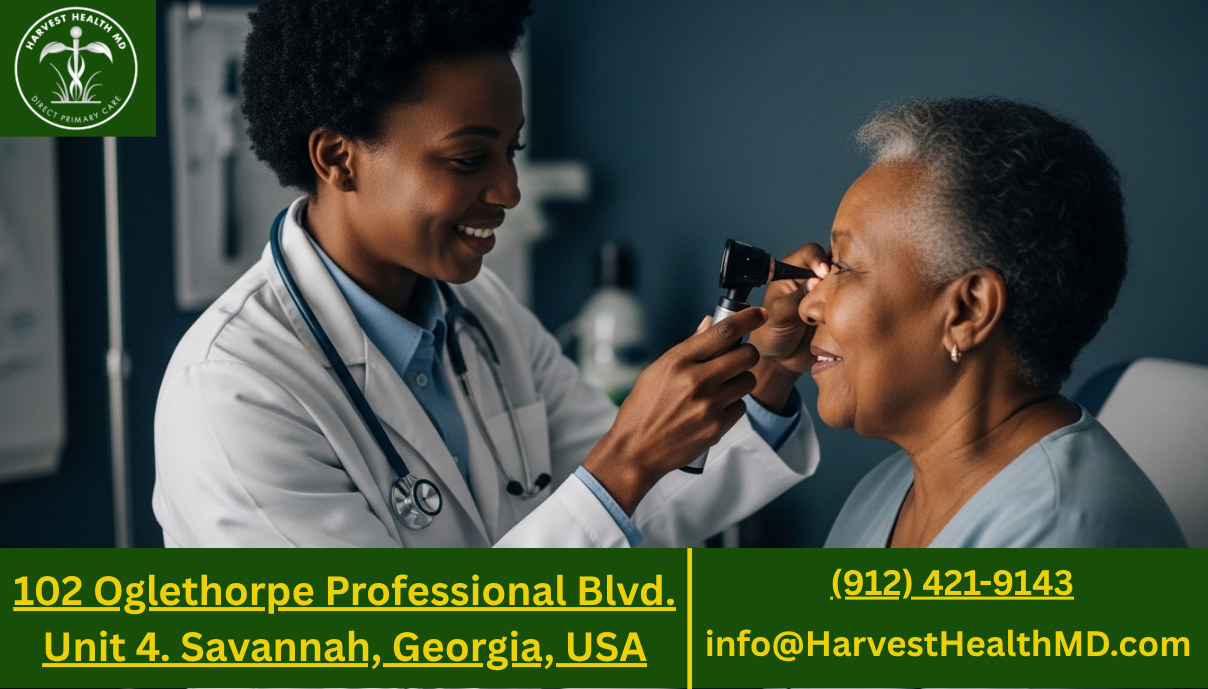
- Case 1: Jane discovered high cholesterol and early-stage diabetes during a routine checkup. Lifestyle changes and medication helped her avoid heart complications.
- Case 2: Mark’s occupational exposure was assessed. Early monitoring prevented long-term liver issues.
- Case 3: A 45-year-old patient’s annual screenings revealed early-stage colon cancer, which was successfully treated with minimal intervention.
These examples show how timely checkups and screenings can save lives.
Conclusion
Searching for a full-body checkup near me is a proactive step toward better health. Regular annual health checkups, routine lab tests, preventive tests, and test screening help detect potential issues early.
If you need support or want to start your healing journey, visit our Contact Us page and connect with our team today.
FAQs
Q: How often should I get a full body checkup?
Most adults benefit from an annual health checkup, but frequency may vary based on age, risk factors, and family history.
Q: Are routine lab tests necessary even if I feel healthy?
Yes. Many conditions, like high blood pressure or diabetes, may not show symptoms early.
Q: What is the difference between preventive tests and screening?
Preventive tests check for general health markers, while test screening targets conditions or risks.
Q: Do Health risk assessments apply to everyone?
No. Health risk assessments are specifically for workplaces handling hazardous substances, but they are critical for occupational health.
Q: Can a full-body checkup detect early-stage diseases?
Yes, early diagnosis is one of the main advantages of comprehensive checkups.


